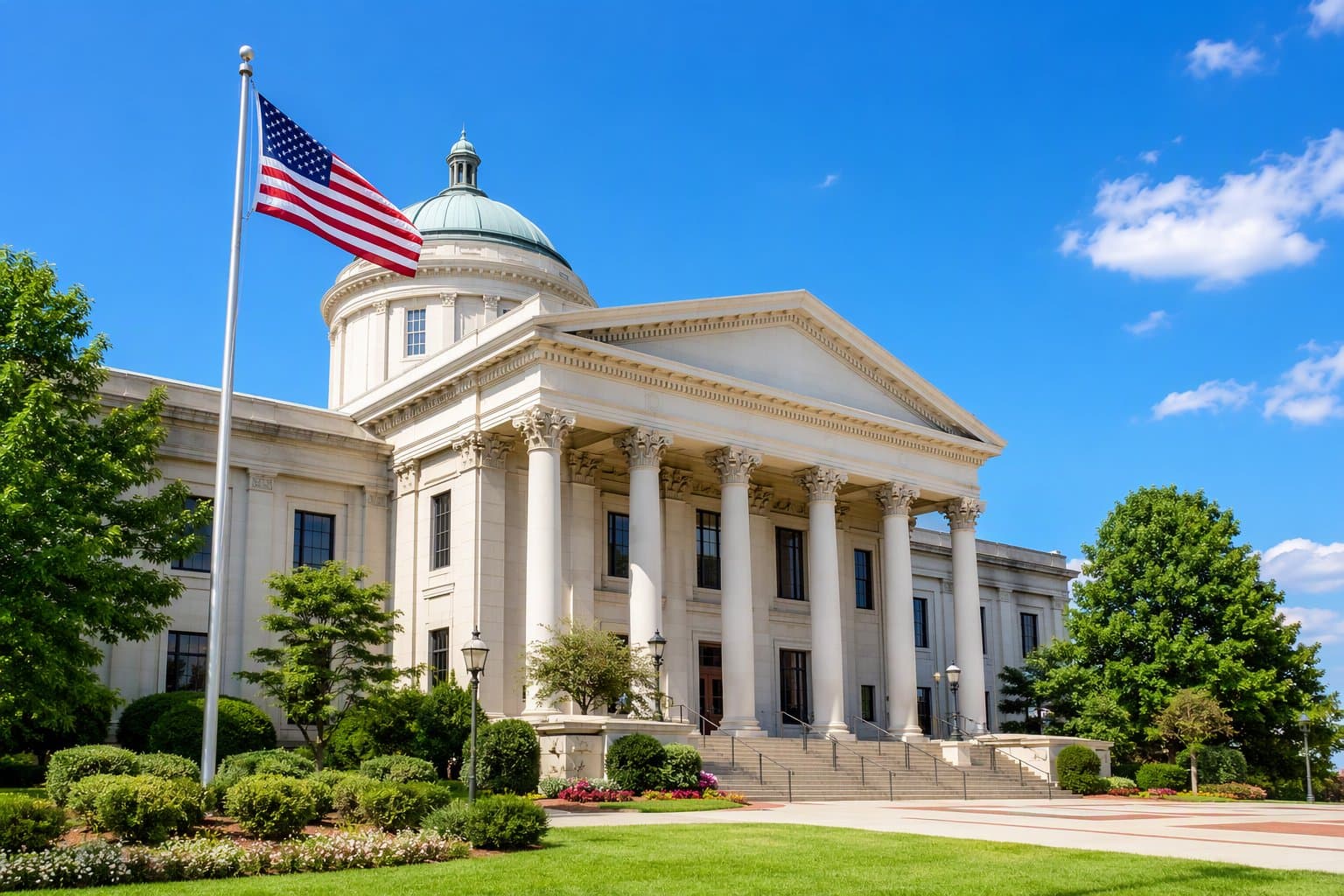
The Texas A&M University Space Institute held its grand opening on Nov. 20, 2026, at a location just outside the gates of NASA’s Johnson Space Center. The facility was established with a $200 million investment from the Texas Legislature and aims to serve as a hub for deep-space exploration research.
Former astronaut Dr. Nancy Currie-Gregg serves as the institute’s director. She is joined by associate director Dr. Robert Ambrose and assistant director Bill Bluethmann, both former NASA engineers. The facility includes simulated lunar and Martian landscapes, each large enough to hold a football field.
To create accurate models, the team selected rock from a quarry near Uvalde for the lunar simulation and rock from New Mexico for the Martian environment.
Glenn Hegar, chancellor of The Texas A&M University System, stated that the institute positions Texas at the forefront of the space economy and strengthens the state’s role in innovation. Texas A&M President Dr. Susan Ballabina noted that the facility elevates the university’s reputation and allows students to learn alongside researchers and industry leaders.
The institute features 10 research bays available for lease by academic, industry, and government partners. AstroLab and Intuitive Machines have already signed leases, with additional agreements in final stages. Two of these bays are reserved specifically for Texas universities and can be reserved at no cost.