Texas A&M University is establishing a new facility designed to speed up the creation of novel metal alloys through automation. The project, known as the Aggie AI Foundry, is supported by a $2 million grant from the WoodNext Foundation.
The foundation manages the philanthropy of Roku CEO and Founder Anthony Wood and his wife Susan. The grant will support researchers in the Department of Materials Science and Engineering to build what officials describe as academia’s first automated laboratory for this specific purpose.
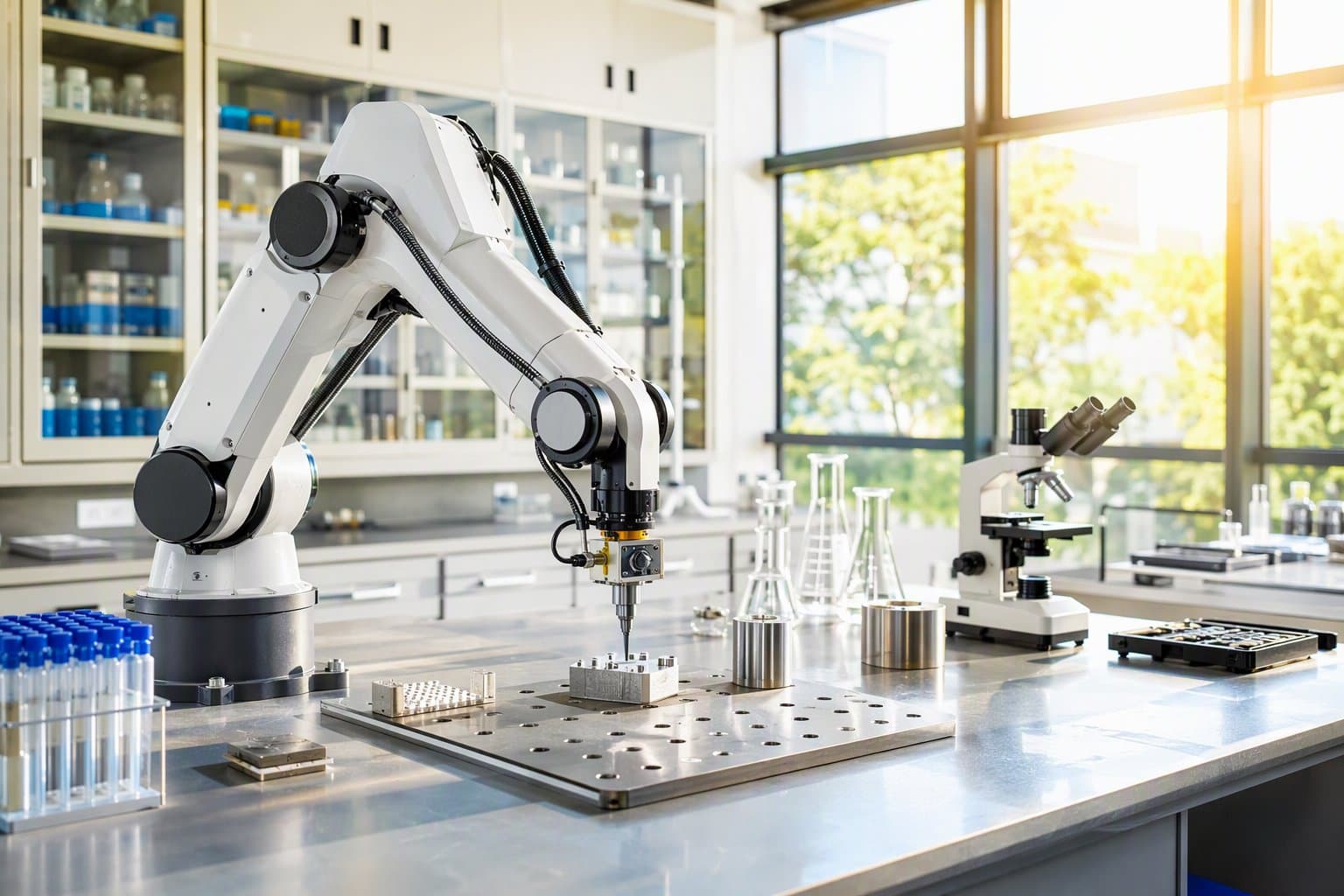
The facility will utilize a combination of artificial intelligence and robotics to handle the development, testing, and synthesis of metallic materials. According to university officials, the automated process aims to reduce the time required to develop new alloys from months to a week or less. This speed is intended to address industry needs in sectors such as energy, aerospace, defense, and healthcare.
The project was initiated by Dr. Ibrahim Karaman, department head and Chevron Professor I, and Dr. Raymundo Arróyave, associate department head for research and Chevron Professor II. The two have published more than 100 papers together on metal alloy design.
Dr. Karaman stated that the investment allows the university to pursue an autonomous foundry where AI and robotics collaborate to accelerate discovery. He noted that current methods are too slow to meet industry demands.